The WhatsApp Introduction Is Not Broken. The Workflow Is.
India has built its entire informal matchmaking network on WhatsApp. The instinct is right. What comes after the profile lands is where everything falls apart.
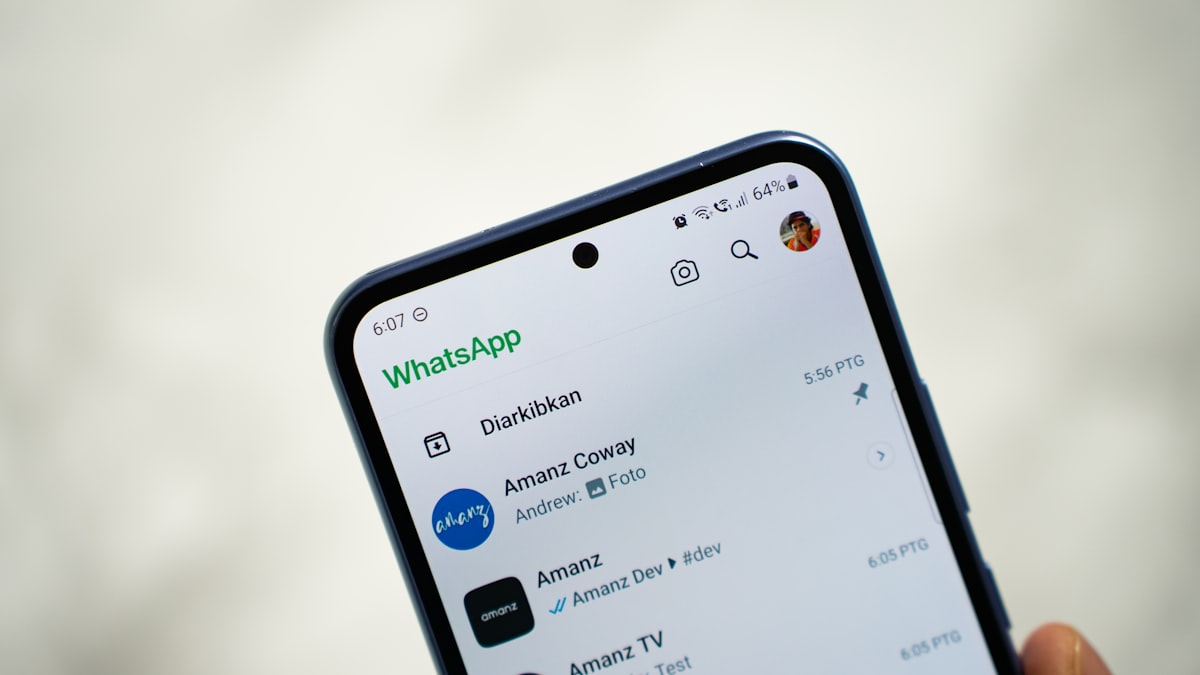
“Hi beta. Someone shared your profile.”
A phone number. A WhatsApp screenshot. Maybe a biodata PDF. That's it.
If you're an Indian in your twenties or thirties, you've probably received some version of this message. The person who sent it knows both of you. They think you'd work together. But none of that ever makes it into the chat.
This is India's most common form of marriage introduction. And the instinct behind it is exactly right. The best relationships start through people who know both parties, who have some skin in the game, and who can vouch for the match from a position of genuine familiarity. That human layer is what every matrimony site and every dating app is missing.
The introduction is not broken. The workflow around it is. WhatsApp delivered the message perfectly. What it cannot deliver is the context, the structure, and the follow-through that turn a dropped profile into a real conversation.
Howie — How We Met
Introductions made by people who know you both.
Is WhatsApp actually the wrong tool?
Myth: the medium is the problem. If people used a proper matrimony site, introductions would be more serious.
Truth: WhatsApp is not the problem. WhatsApp didn't become India's matchmaking platform because it was designed for marriage. It became one because every friend, sibling, cousin, and parent was already there. A Bangalore professional does not need a separate app to reach their college friend in New Jersey. They are already in the same group chat. The introduction happens where the relationship already exists.
The matrimony site solves a different problem. It creates a pool of people who have declared intent. What it cannot do is generate the trust that comes from a mutual connection. A stranger on Shaadi.com with a verified profile still starts from zero. A friend who says “I know this person, I know you, and I think you should meet” starts from something real. The medium did not create that trust. The relationship behind the introduction did.

What actually breaks when a profile arrives with no context
Myth: the recipient has everything they need. The profile has a photo, a job title, a city, and an age. That is enough to decide whether to say yes.
Truth: the profile tells you what someone looks like on paper. It tells you nothing about what the person who sent it actually thinks. Why did they make this introduction? What do they know about this person that made them think of you specifically? How well do they know them? These are the questions that determine whether this is worth pursuing, and they almost never get answered.
Without context, the recipient has to make a decision with incomplete information. They either say yes to avoid awkwardness, say no because nothing in the profile stands out, or say nothing at all and wait for the conversation to die. All three outcomes waste the one asset that made the introduction valuable: the fact that someone who knows both people thought this was a good idea.
Why a longer biodata is not the fix
Myth: the problem is that biodatas do not contain enough detail. A richer profile with more questions answered would close the context gap.
Truth: a better-formatted PDF does not solve the problem. The information people need is not in the biodata. It is in the head of the person who made the introduction. Why did they think of this specific match? What have they observed about both people that made them connect the dots? That is qualitative, relational information. A form cannot capture it.
The most useful context is the matchmaker's reasoning. “I worked with her for three years in Hyderabad and she is one of the most grounded people I know” is worth more than a two-page biodata. The solution is not a longer form. It is a structured way for the person making the introduction to explain why they made it.
Howie — How We Met
Every introduction on Howie comes with the matchmaker's reasoning, not just their profile.
The structure problem: what happens after the profile lands
Once a profile arrives over WhatsApp, there is no agreed-upon next step. Does the recipient respond to the sender? Do they reach out directly? Does the family get involved? Is this a yes-or-no decision or the start of a longer conversation?
None of this is defined. Each introduction improvises its own process. Some go nowhere because nobody knows whose move it is. Others accelerate too quickly because one family interprets silence as interest. The absence of structure is not a minor inconvenience. It is why most WhatsApp introductions, even good ones, disappear.
A real introduction needs a defined acceptance step, a clear channel for the two people to speak privately, and a reasonable timeline. Without those three things, the best match in the world can fail to launch.
Why NRIs feel this more than anyone
For Indians living outside India, the workflow problem is twice as bad. The time zone gap means conversations are already delayed. The distance means there is no natural way to meet casually. And the family network, which in Mumbai or Delhi would organically generate introductions over time, is thinner when you are in Chicago or Frankfurt or Dubai.
NRIs often receive introductions from relatives back home who know the sender but not the recipient, or from friends abroad who know the recipient but not the sender. The chain of trust is longer and thinner. And when the introduction lands with no context and no structure, the gap between receiving a profile and actually having a conversation can stretch to weeks before both people quietly give up.
The introduction is still the right mechanism. What NRIs need is a way to make it work across time zones, across distances, and without the organic social scaffolding that exists when both people are in the same city.
What a structured introduction actually looks like
A structured introduction is one where the person making it explains their reasoning before the two people ever speak. It defines what “yes” means: a short private conversation, not a commitment. It gives both people a way to respond without involving the sender in every exchange. And it creates enough follow-through that the introduction does not quietly vanish after the first message.
This is not a new idea. It is how the best introductions have always worked. A good matchmaker, whether a college friend in Pune or a family elder in Delhi, does all of this naturally. They explain the match, manage expectations, and check in. The problem is that this only happens when the matchmaker happens to be unusually thoughtful. Most of the time, the profile arrives and the rest is left to chance.
The WhatsApp group will keep running. The profiles will keep arriving. The future of Indian matchmaking probably won't replace the WhatsApp introduction. It will simply make it worthy of the trust that already exists behind it.
Howie — How We Met
The introduction your network already wants to make, done properly.
Frequently asked questions
Why do most WhatsApp marriage introductions go nowhere?
Most WhatsApp introductions fail not because the match is wrong but because the workflow around them is undefined. There is no context from the person who made the introduction, no agreed-upon next step, and no follow-through. The recipient has to make a decision with a profile and no explanation, and the most common outcome is polite silence.
How do NRIs find marriage introductions when they don't have a strong local network?
NRIs typically rely on family networks back in India, college and professional connections, and community groups. The challenge is that these networks are thinner abroad and introductions often arrive with less context. Platforms that preserve the human introducer while adding context and follow-through are how diaspora Indians in cities like Chicago, London, and Frankfurt are increasingly making this work.
Is it acceptable to ask the person who made an introduction why they thought it would work?
Not only is it acceptable, it is the most useful question you can ask. The matchmaker's reasoning, what they observed about both people and why they connected the dots, is more valuable than any biodata. A good introduction always comes with an explanation. If one was not offered, asking for it is reasonable and often reveals exactly what you need to know.
How is Howie different from a matrimony site for NRIs?
Matrimony sites create a pool of strangers who have declared intent. Howie preserves the human introducer: every match is made by someone who knows both people and has explained their reasoning. That context changes the quality of the first conversation entirely. NRIs can receive introductions from contacts in India or abroad without the friction of undefined next steps or time zone delays.
How does Howie use trusted introductions?
On Howie, every introduction is made by a real person: a friend, a colleague, or a family member who knows both parties. Before the two people speak, the matchmaker explains why they made the introduction. Both people can then accept or decline privately. If both say yes, a direct conversation opens. Howie adds the structure that WhatsApp cannot: context, a clear next step, and follow-through.
More from III — Social Matchmaking Layer